
Pakistani rice for wholesale & export
Nankana Rice is a Pakistan-based 1509 basmati rice supplier serving wholesalers, importers, distributors, retailers and food businesses. This aromatic, extra-long-grain variety suits buyers seeking an appealing cooked presentation with flexible commercial positioning.
Pakistan
1509 Basmati
Extra-long and slender
Aromatic Basmati
White, Steam and Sella
Bulk, retail and private label
Order Size: No minimum quantity
1509 Basmati gives buyers another choice between traditional aromatic varieties and rice selected primarily for maximum grain length. Its slender appearance, basmati fragrance and cooking elongation make it relevant to retail and foodservice markets.
Buyers often compare 1509 with 1121 Basmati. Both are chosen for long-grain presentation, but the final decision should consider processing, required specifications, market expectations and purchasing budget.

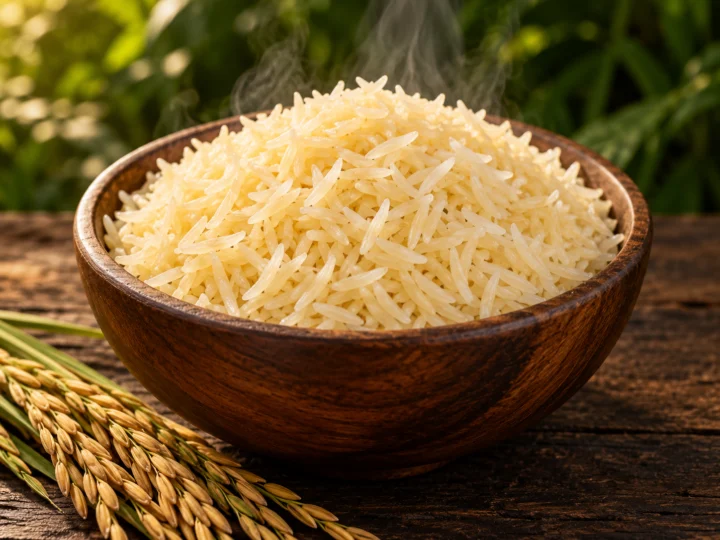
Maximum grain length is not the only factor in commercial rice buying. Market price, cooking application, processing method, pack position and customer preference can be equally important.
1509 Basmati can suit businesses that want extra-long visual appeal while considering a different commercial position from 1121. Buyers should compare actual specifications rather than choosing from variety names alone.
Nankana Rice can review the intended use and help identify which variety and processing form align with the enquiry.
The processing method affects colour, firmness and cooking behaviour. White, Steam and Sella 1509 Basmati each serve a different buyer requirement.
| Rice Form | Commercial Character | Suitable Uses |
|---|---|---|
| White | Classic white appearance with aromatic basmati character | Retail, household cooking and traditional meals |
| Steam | Stronger grain structure with good separation | Restaurants, catering and foodservice |
| Sella | Firmer parboiled grain with shape retention | High-volume cooking and wholesale distribution |

White 1509 presents the variety in a familiar polished form. Its clean appearance and aromatic profile suit consumer packs and businesses selling traditional white basmati rice.

Steam processing strengthens the grain before final milling and supports a separate cooked presentation. As a 1509 steam rice supplier, Nankana Rice can discuss the required grade, quantity, packaging and destination.
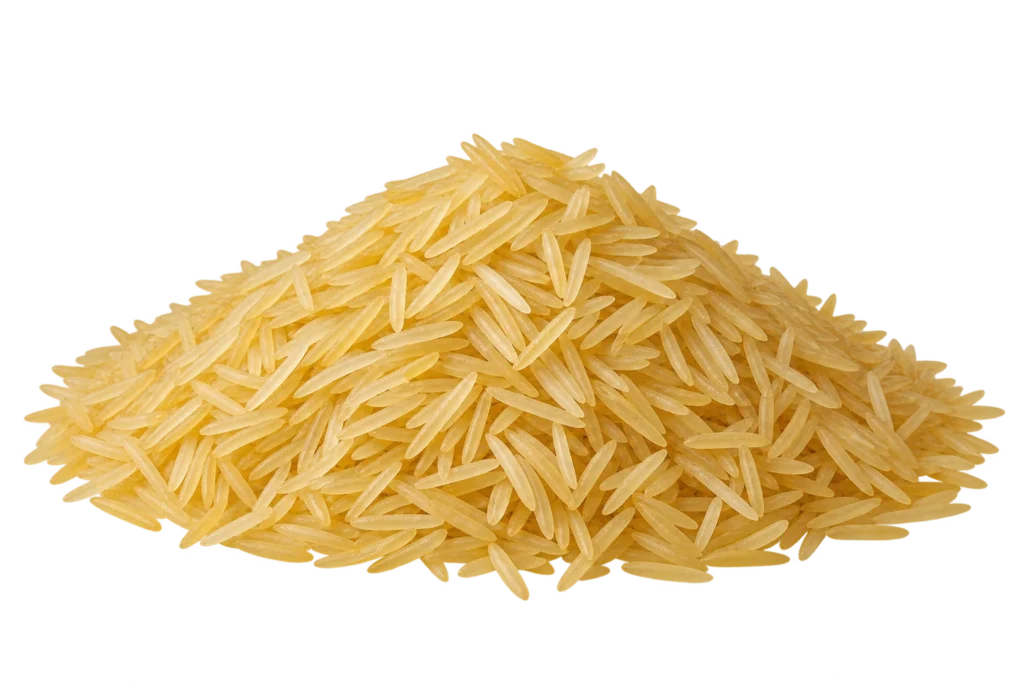
Sella processing creates a firmer grain that can withstand larger-scale preparation and longer holding periods. Buyers seeking a 1509 sella rice supplier can specify the desired commercial criteria with their enquiry.
A useful purchasing specification should describe the rice in measurable commercial terms. Grain appearance alone does not establish whether a product is suitable for the buyer’s operation.
These points are discussed before the quotation is finalised. Buyers with an existing specification can submit it directly, while those still comparing products can explain how the rice will be sold or prepared.
The final order should record the agreed product form, quality criteria, quantity and packaging. This creates a clear commercial reference for both parties.
| Specification | Available Information |
|---|---|
| Product | 1509 Basmati Rice |
| Country of Origin | Pakistan |
| Grain Profile | Extra-long, slender and aromatic |
| Processing | White, Steam and Sella |
| Commercial Grade | Aligned with agreed buying criteria |
| Quantity | No minimum order |
| Packaging | Bulk bags, retail packs and private label |
| Buyer Segment | Wholesale, retail, foodservice and export |
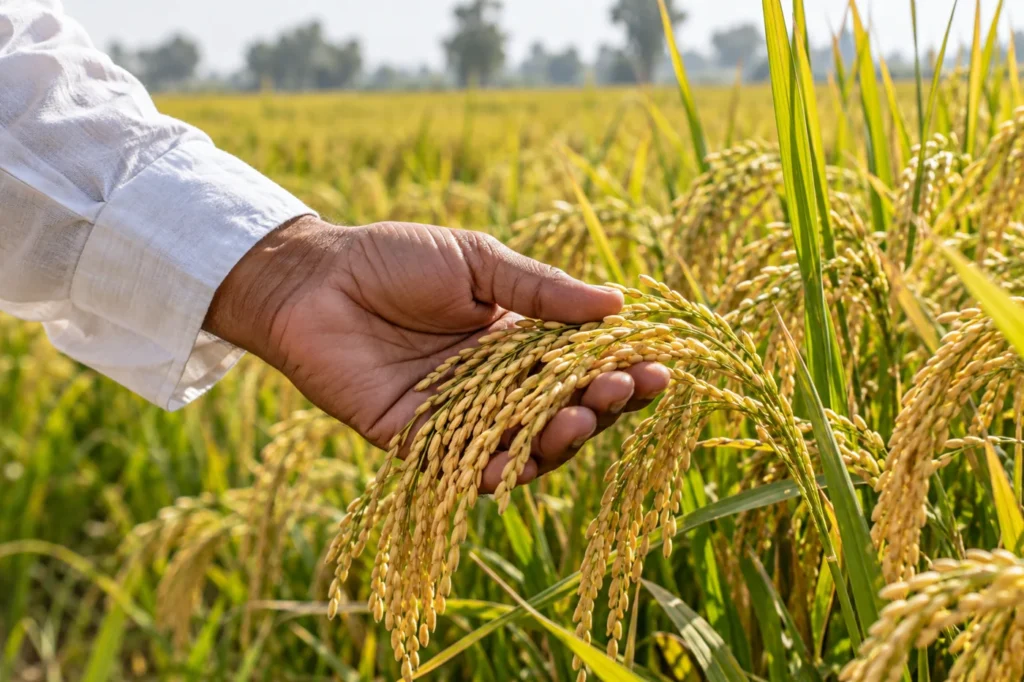
Nankana Rice has its own fields in Pakistan, creating direct involvement with rice at the cultivation stage. This field connection is part of a broader commercial process that considers the buyer’s intended use, quality criteria and market position.
Different markets may require different processing or grades. The order is therefore discussed around its destination and purpose rather than relying on a general description of quality.
Nankana Rice handles 1509 basmati rice wholesale enquiries for businesses purchasing rice for resale, meal preparation or branded distribution.
Potential buyers include:
Wholesale buyers can provide a current purchasing specification or explain the result they need from the rice. This makes comparison clearer and reduces uncertainty before pricing.
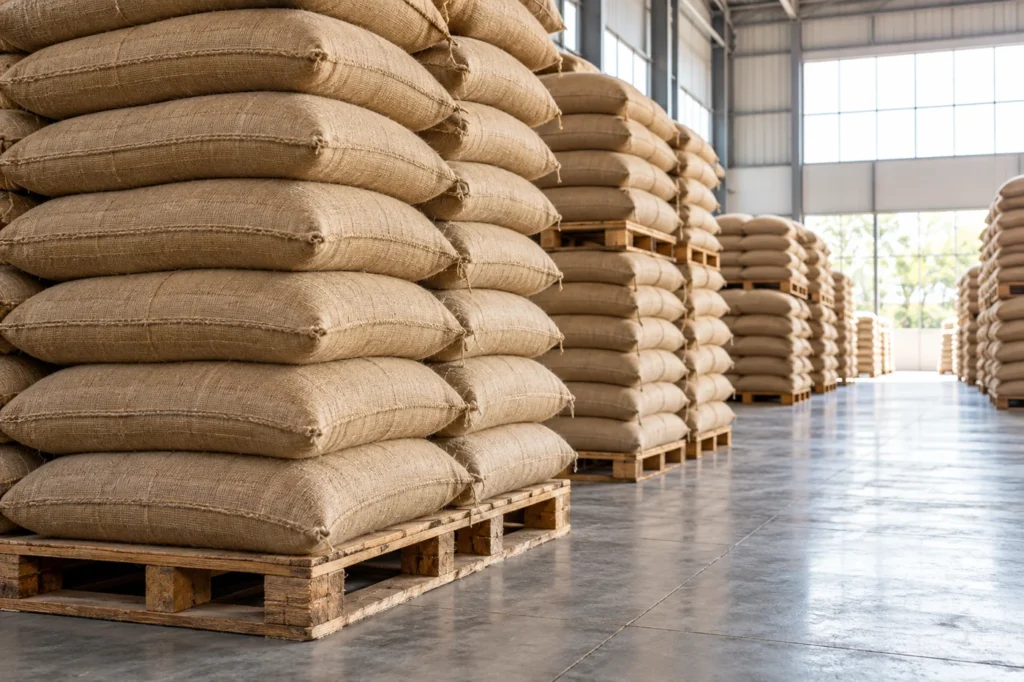
There is no fixed minimum order for 1509 Basmati rice. Nankana Rice welcomes smaller requirements as well as larger wholesale and export enquiries.
The final quotation reflects the selected rice, quantity, packaging and destination. Transport and packing arrangements may differ between a smaller purchase and a commercial bulk order.

Bulk bags suit wholesalers, distributors and foodservice buyers handling rice in larger quantities. Retail packs prepare the product for consumer-facing sales, while private-label packaging lets businesses supply rice under their own brand.
Final packaging details are agreed before order confirmation.
Nankana Rice works with overseas buyers sourcing Pakistani 1509 Basmati for distribution, retail and foodservice. A useful export enquiry should explain the product form, commercial specification, order quantity, packing method and destination.
Destination information matters because market regulations, labelling, documentation and shipping arrangements can differ. Providing these details early creates a stronger basis for the quotation.
Choose White, Steam or Sella according to the intended cooking and market profile.
Share grain, moisture, broken-rice, purity or admixture requirements where applicable.
Explain how much rice is required and how it should be packed.
Include the delivery location or destination port for commercial planning.
Nankana Rice reviews the complete requirement and prepares the next commercial step.

1509 is an aromatic, extra-long-grain Basmati variety supplied in White, Steam and Sella forms. Its grain presentation makes it relevant to retail, wholesale and foodservice markets.
Both are extra-long Basmati varieties, but they may differ in grain dimensions, cooking character, availability and market price. Buyers should compare the actual specifications and processing form before choosing.
Steam and Sella rice are commonly considered for foodservice because their processing supports grain strength and separation. The best option depends on the cooking method and preferred texture.
No. There is no fixed minimum quantity. Small, wholesale and export enquiries can be discussed according to the product, packaging and destination.
Yes. Private-label packaging is available. Buyers can share the required pack format, branding and labelling details with the enquiry.
Compare 1509 Basmati with 1121 Basmati for a different extra-long-grain profile or Super Basmati for a more traditional aromatic position.
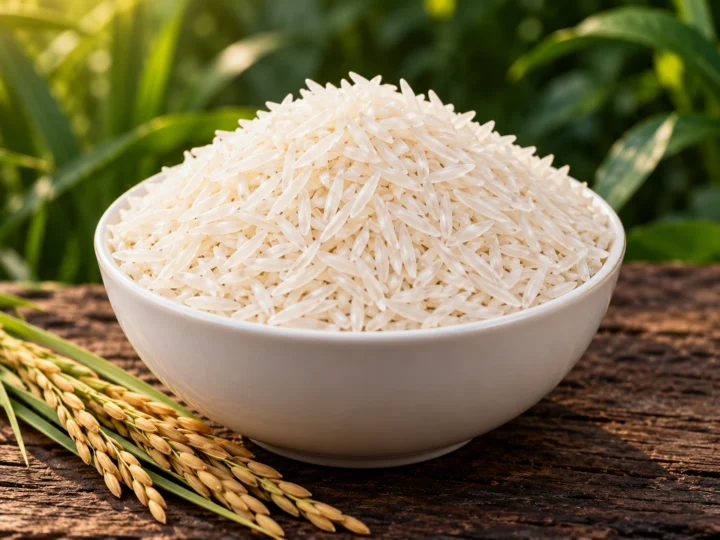
Extra-long grains with impressive elongation & elegant plate presentation.
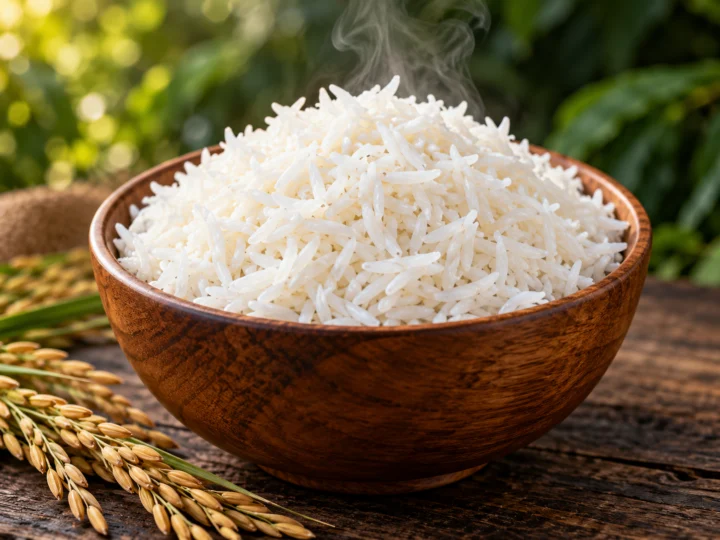
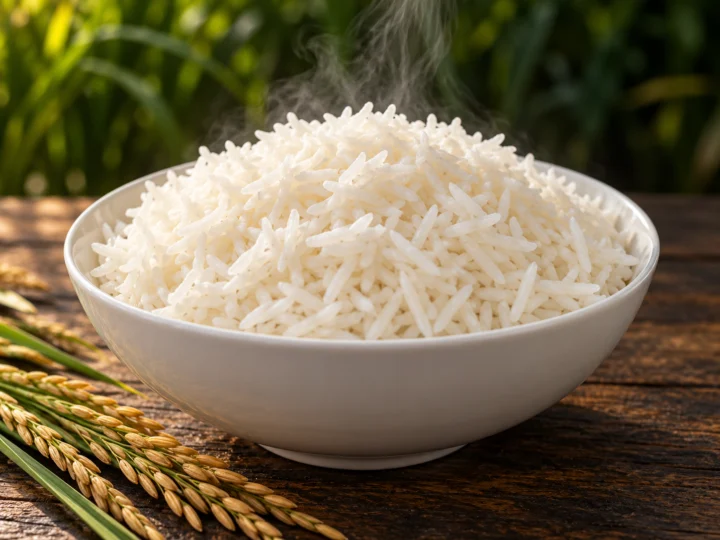
Traditional basmati aroma with dependable texture for everyday meals.
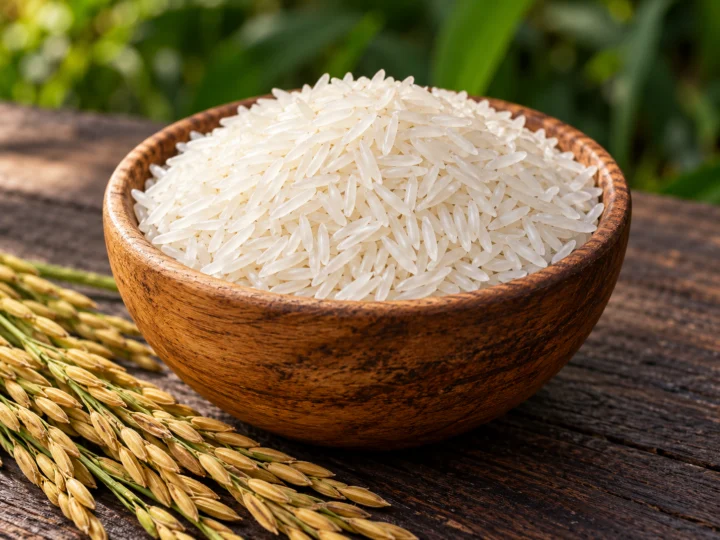
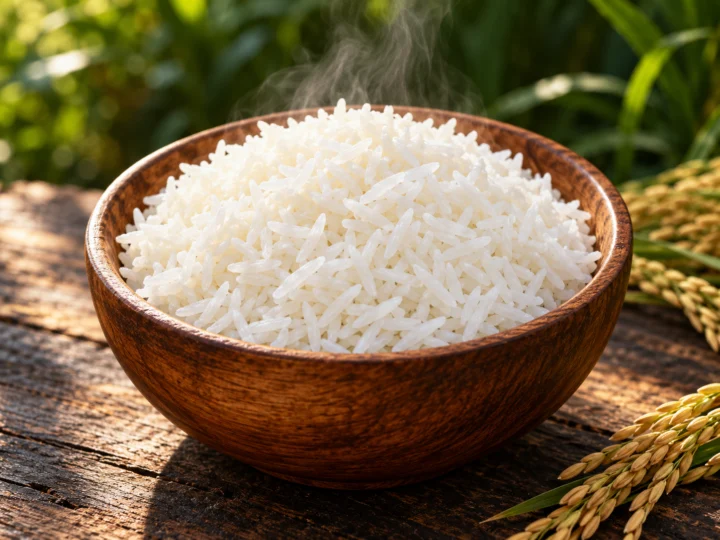
1509 Basmati occupies a useful position within Pakistan’s basmati collection. It gives buyers an extra-long aromatic option while allowing them to consider a different commercial position from 1121 and a different grain profile from traditional Super Basmati.
The variety name establishes the starting point, but the finished product is shaped by processing, crop year, grain criteria, purity, moisture, broken percentage, appearance, packaging, and destination requirements.
A clearly written brief allows a 1509 basmati rice supplier to understand which version of the product the buyer needs.
PK-1509 and Kissan Basmati may appear together in Pakistani crop reporting and commercial rice discussions. Buyers may therefore encounter names such as:
The market name should be confirmed before a quotation is compared or approved.
Official Punjab variety information identifies Kissan Basmati as a fine Basmati variety released in 2016, with a listed raw grain length of approximately 8.12 mm. This varietal figure provides a useful reference, but it should not be treated as a guaranteed measurement for every commercial shipment.
If the buyer requires a particular average grain length, minimum grain profile, or cooked elongation, that requirement should be written separately within the order specification.
A name identifies the rice. The specification defines the product being purchased.
1509 is sometimes described simply as an alternative to 1121. That description can be useful as an initial comparison, but it does not explain why a buyer should select one variety over the other.
A buyer may consider 1509 where the following factors matter:
The decision should not assume that 1509 and 1121 are interchangeable. Even where both varieties serve extra-long-grain markets, buyers may find differences in grain measurements, cooked character, price, availability, and customer preference.
Super Basmati creates another comparison. It may be considered where traditional aromatic character carries greater importance than maximum visual length.
The most suitable variety depends on which qualities must lead the buying decision.
A commercial buyer should consider how customers will experience the rice before choosing a grade.
Retail customers may first notice the uncooked grain through transparent packaging or product photography. Restaurants focus more heavily on aroma, cooked separation, plate presentation, and performance in the kitchen. Wholesalers need a product that can be explained and resold to several buyer groups. Importers may need to balance all these factors within one destination market.
Ask what the customer is most likely to evaluate:
The answer provides direction for processing, specifications, and packaging. It also prevents the buyer from paying for a characteristic that the final customer does not particularly value.
White, Steam, and Sella 1509 should be treated as separate commercial products. A business carrying more than one form should give each a clear market purpose.
White 1509 may suit buyers whose customers expect a polished white basmati with an extra-long, slender appearance.
Retail brands can consider how the uncooked grain will appear inside the pack. Food businesses should also evaluate the intended dish, softness, aroma, and preparation method.
The enquiry should define crop year, grain criteria, moisture, broken percentage, milling, colour, packaging, and quantity. White rice should not be selected through colour alone.
Steam 1509 may suit restaurants, caterers, foodservice distributors, and retail markets seeking a specific balance of grain appearance, strength, and cooked separation.
Businesses approaching a 1509 steam rice supplier should describe the preparation method and expected result. Large-batch cooking, individual servings, buffet holding, and retail household use may place different demands on the rice.
Colour and firmness preferences should also be stated. The word “steam” identifies the processing form but does not complete the grade.
Sella 1509 may serve markets where buyers prefer parboiled basmati and a firmer cooked grain. Its role may include catering, wholesale distribution, foodservice supply, or consumer retail.
A buyer looking for a 1509 sella rice supplier should confirm the preferred appearance, including any colour terminology used in the destination market. Creamy, golden, or other descriptions may be interpreted differently unless supported by an agreed reference.
The required crop, moisture, broken percentage, purity, and packaging should accompany the processing choice.
Broad terms such as “premium 1509” or “export quality rice” do not create a complete commercial standard. A useful specification converts the buyer’s priorities into criteria that can be reviewed.
Record the complete variety name and whether the rice is White, Steam, or Sella. Do not use the processing type as a replacement for the variety.
State whether a particular crop year is required. If aged rice is requested, include the expected storage period and ask what stock is currently available.
Crop year and ageing should remain separate details. An older crop is not automatically the right choice for every cooking application.
Official varietal data provides a general grain-length reference, while the commercial order may require its own measurement.
Include any average grain length, uniformity, width, or length-to-width criteria that influence the market position. Cooked elongation should also be addressed if it is central to the purchase.
Purity should be defined through an agreed percentage or testing basis. Words such as “pure” or “original” do not provide enough detail for comparing commercial offers.
The required moisture limit may depend on storage, transport, buyer policy, and destination requirements. Add the preferred maximum to the enquiry instead of assuming every supplier will quote the same level.
State the maximum acceptable broken percentage. Retail, foodservice, and production buyers may not require the same limit.
A tighter specification may affect pricing, so the selected limit should reflect genuine market needs.
Include acceptable limits for admixture, foreign matter, damaged grains, or other conditions important to the order. Each term should be understood in the same way by the buyer and supplier.
Milling, polish, colour, and visible grain condition can influence retail presentation. If appearance is important, provide a clear description or agreed reference rather than relying on subjective words.
Raw grain length supports visual appeal, but the cooked result determines whether the rice works in a restaurant, catering operation, household kitchen, or prepared food.
A practical evaluation may consider:
The testing method should remain consistent when several options are compared. Changes in washing, soaking, water ratio, cooking equipment, batch size, or holding time can produce different results.
Where a representative sample is available, prepare it under conditions close to the buyer’s real application. A small household cooking test may not accurately represent a commercial catering batch.
The purpose is to evaluate whether the rice fits the operation, not simply whether it cooks successfully.
1509 can support several sales channels, but the product grade and message should match the intended buyer.
Retailers may position 1509 as an extra-long Pakistani basmati in White, Steam, or Sella form. The variety, pack design, product description, and price position should support one clear promise.
If 1121 is already present in the range, 1509 should occupy a distinct role rather than appearing as a near-duplicate.
Restaurants and caterers should assess the rice around specific dishes, batch sizes, equipment, and service conditions. Grain presentation may attract attention, but aroma, texture, preparation, and holding performance shape daily usefulness.
A 1509 basmati rice wholesale buyer may serve retailers, caterers, restaurants, or smaller distributors. The selected grade should reflect which customer group will generate most of the demand.
If several processing forms are stocked, each should answer a separate buying preference.
Private-label buyers should ensure that variety, processing, origin, and product statements on the pack match the rice being supplied.
Packaging language should be agreed after the commercial product has been defined. Design should not create promises that the specification does not support.
Export buyers should confirm the product name recognised in the destination country. The quotation should align the variety, processing, grade, packaging, quantity, destination, and applicable commercial requirements.
Market-specific labelling or documentation should be raised early so it can be reviewed before the order proceeds.
Two quotations carrying the 1509 name may represent different products.
Place these details side by side:
A lower price may reflect a different broken percentage, packaging format, crop, grade, or delivery arrangement. It should not be treated as better value until the differences have been identified.
Comparing like with like protects the buyer from selecting a quotation that does not represent the intended product.
1509 should be chosen for a clear commercial reason.
1121 may be more suitable where its particular market recognition or grain profile leads the purchase. Super Basmati may fit buyers placing greater importance on traditional aroma and familiar Pakistani basmati character. A non-basmati variety may be more appropriate for volume-focused or production requirements.
Consider an alternative where:
A comparison should narrow the decision, not push every buyer towards the same rice.
A focused 1509 enquiry should include:
Share the processing form, quantity, quality criteria, packaging and destination. Nankana Rice will review the requirement and prepare a relevant quotation.