
Pakistani rice for wholesale & export
Nankana Rice supplies Basmati 385 Rice for importers, wholesalers, restaurants, caterers, retailers, distributors, and private label brands.
Choose the processing form, commercial grade, broken percentage, packaging, and quantity required for your market.
Pakistan
Basmati 385 / PK-385
Long and slender
Traditional Basmati character
White, Steam or Sella
Bulk, retail or private label
Basmati 385, also written as PK-385, is an aromatic Pakistani Basmati variety associated with the rice-growing areas of Punjab.
It is selected by buyers seeking traditional Basmati character rather than judging rice only by maximum uncooked grain length. Aroma, cooked texture, grain appearance, grade, and price position all contribute to its commercial value.

The names look similar, but they should not be used interchangeably.
Buyers should write the complete product name on enquiries, quotations, specifications, invoices, and packaging instructions.
| PK-385 | PK-386 |
|---|---|
| Basmati variety | Non Basmati variety |
| Aromatic rice profile | Mild, non Basmati profile |
| Selected for traditional Basmati character | Selected for practical commercial value |
| Positioned within Basmati markets | Positioned within fine or commercial rice markets |
The longest uncooked grain is not always the main buying requirement. Some customers value a familiar Basmati aroma, traditional eating experience, and balanced commercial position.
Its final performance depends on crop, ageing, processing, grade, and cooking method.
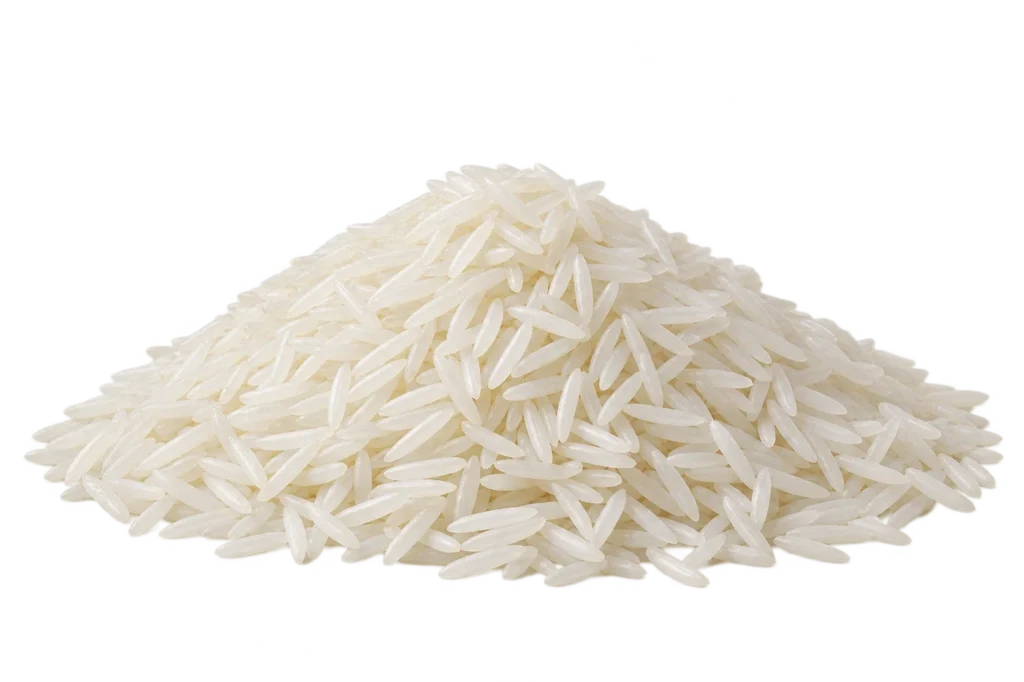
Milled rice with a familiar white appearance and aromatic profile.
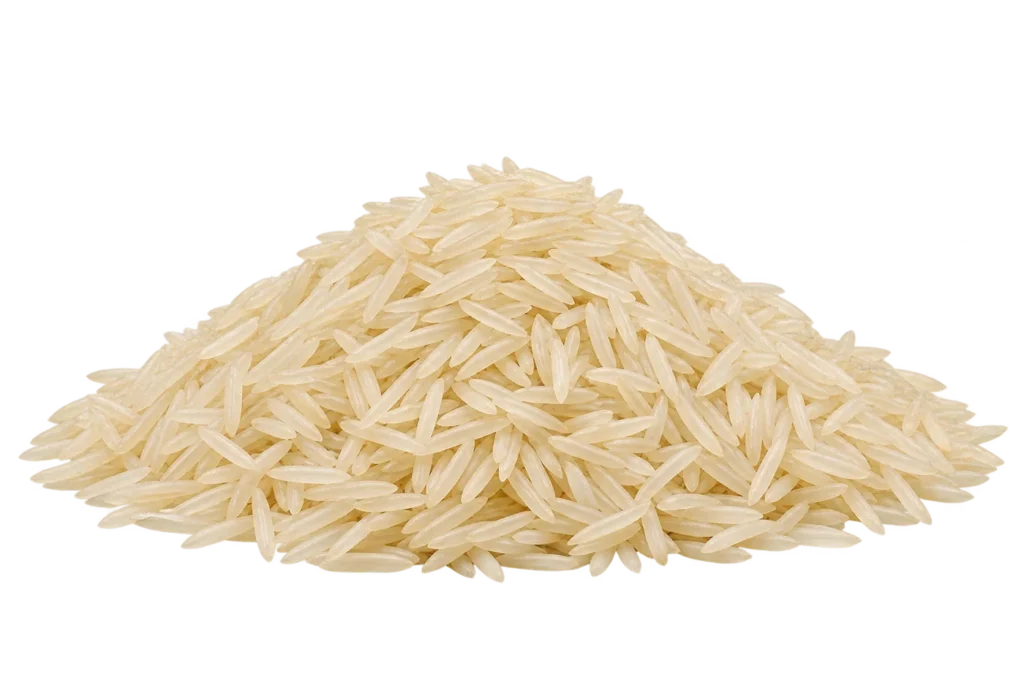
Steam-treated rice for a firmer cooked texture and grain separation.
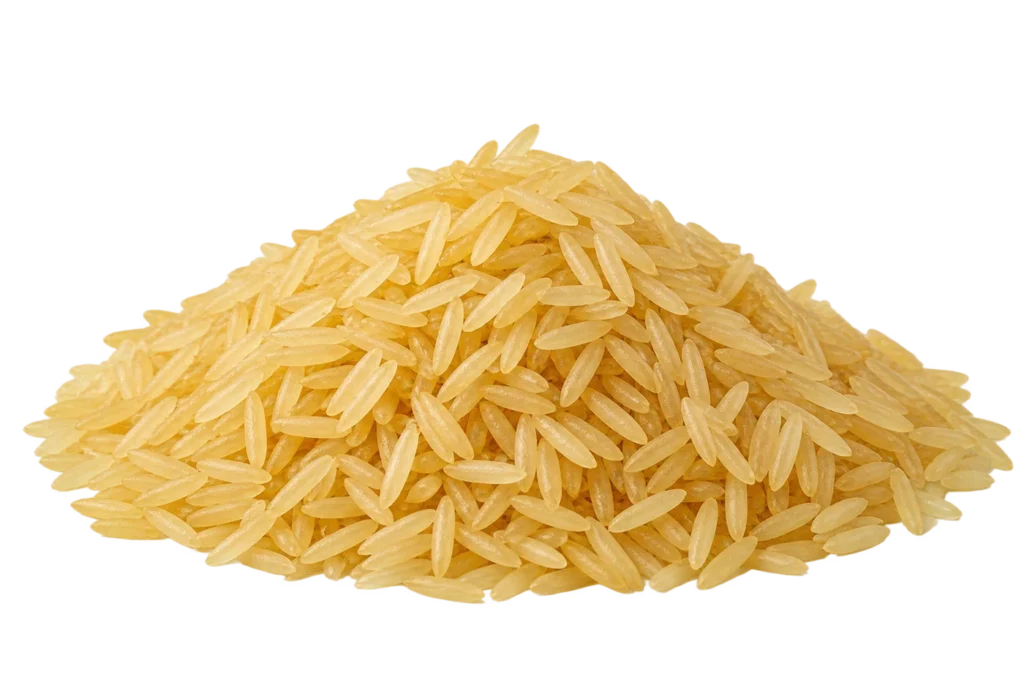
Parboiled rice for commercial kitchens and batch cooking requirements.
Processing should be selected according to the intended dish, customer preference, preparation method, and target market.
Current product details should be confirmed before comparing quotations from different suppliers.
| Specification | Buyer Selection |
|---|---|
| Product | Basmati 385 or PK-385 |
| Origin | Pakistan |
| Rice Category | Basmati |
| Processing | White, Steam, or Sella |
| Grain Profile | Long and slender |
| Aroma | Traditional Basmati character |
| Broken Percentage | Agreed according to grade |
| Moisture | Confirmed before order |
| Purity and Admixture | Defined in the specification |
| Crop and Ageing | Shared according to selected stock |
| Packaging | Bulk, retail, or private label |
| Minimum Order | No minimum order quantity |
Buyers should assess a sample or current product details when aroma, cooked texture, and presentation are essential to the application.
The right option depends on customer preference, preparation method, desired presentation, and commercial budget.
| Variety | Primary Buying Consideration |
|---|---|
| Basmati 385 | Traditional aroma and familiar Basmati character |
| Super Basmati | Established Pakistani Basmati profile |
| 1121 Basmati | Extra long grain presentation |
| 1509 Basmati | Long-grain commercial Basmati selection |
| D-98 Rice | Aromatic variety with regional market relevance |
Origin, specification, documentation, packaging, and destination requirements shape the enquiry.
Product grade, customer demand, price position, and pack format matter most.
Cooked aroma, grain separation, serving style, and batch preparation guide the choice.
Consumer recognition, packaging, price position, and shelf presentation influence selection.
The rice specification and packaging identity need to support the same market promise.
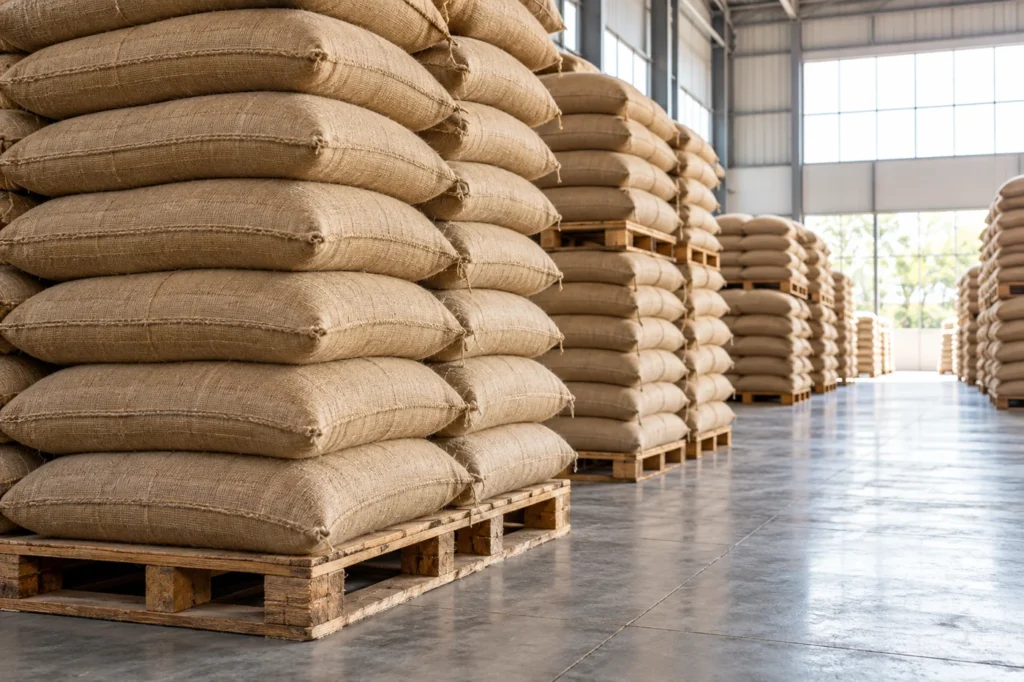
Nankana Rice does not apply a fixed minimum order quantity. Buyers can discuss smaller requirements, wholesale orders, or recurring commercial supply.
The quotation depends on the processing form, grade, quantity, packaging, destination, and current availability.
For importers, wholesalers, restaurants, caterers, and repacking businesses.
Consumer formats for supermarkets, shops, and regional distributors.
Custom packaging carrying the buyer’s approved branding and product information.
Small requirements and bulk commercial orders are welcome.
Nankana Rice supports international enquiries for Pakistani Basmati 385 Rice across wholesale, foodservice, retail, and private label markets.

Yes. Both names are commonly used for the same Pakistani Basmati variety.
No. PK-385 is a Basmati variety, while PK-386 is commercially classified as non Basmati.
Yes. Basmati 385 belongs to the aromatic Basmati category. Aroma strength can vary according to crop, ageing, processing, and storage.
1121 is generally selected when extra long grain presentation is the priority. Basmati 385 is more closely associated with traditional Basmati character.
Requirements can be discussed in White, Steam, and Sella forms, subject to current product availability.
Yes. Broken percentage and other commercial parameters can be included in the product specification.
Yes. Bulk bags, retail packs, and custom private label packaging are available.
There is no fixed minimum order quantity. Small and bulk requirements can both be discussed.
Share the processing form, grade, quantity, packaging, application, and destination.
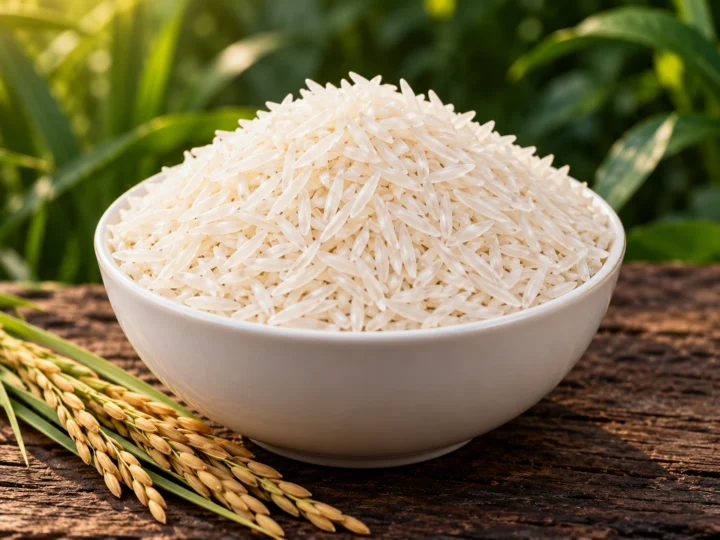
Extra-long grains with impressive elongation & elegant plate presentation.
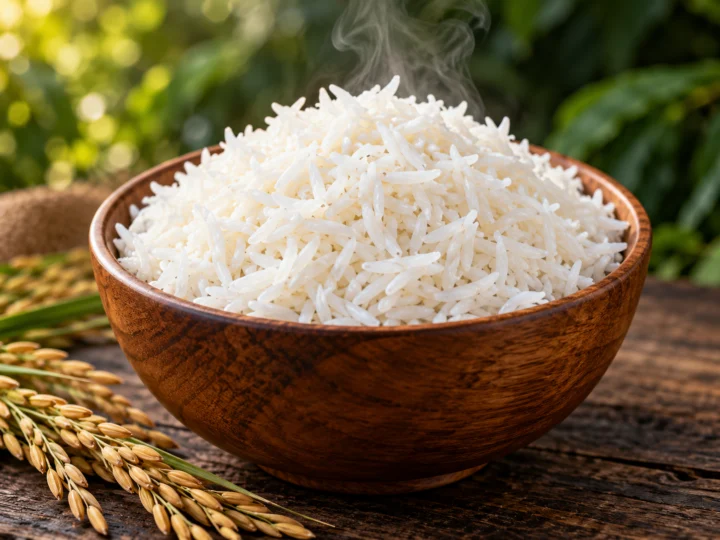
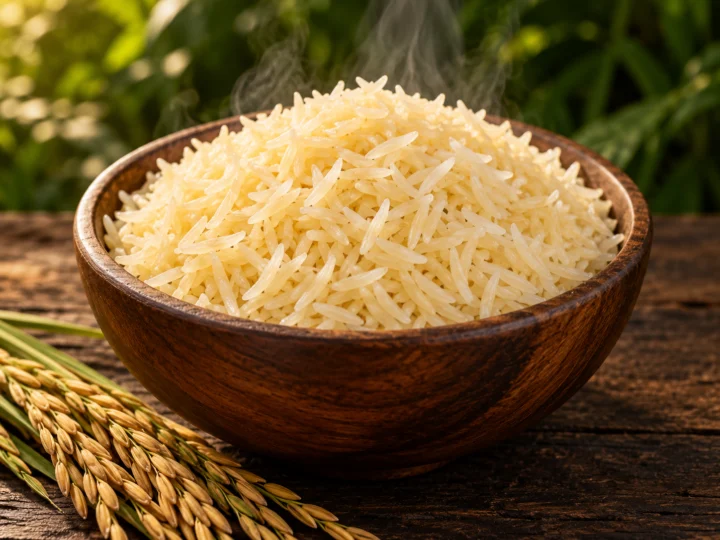
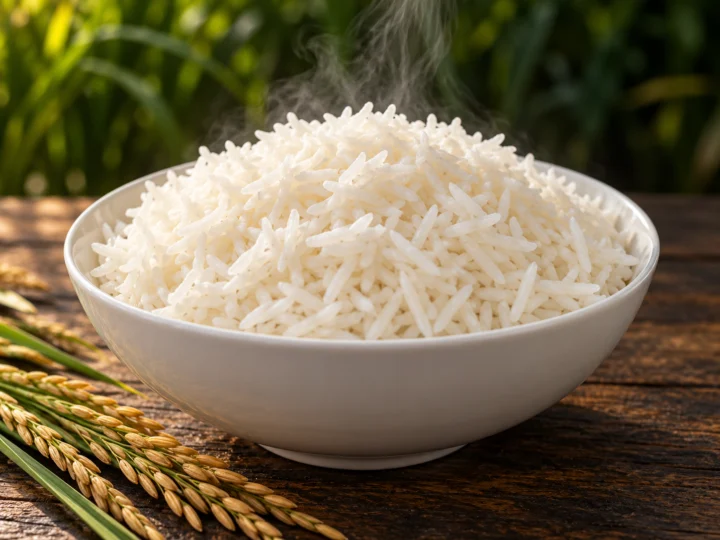
Traditional basmati aroma with dependable texture for everyday meals.
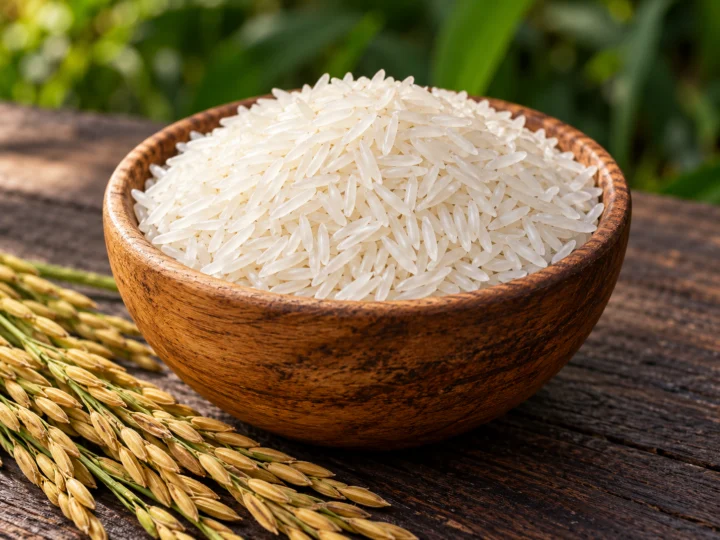

Basmati 385 belongs to an earlier generation of Pakistani Basmati varieties. Punjab Agriculture records it as a fine Basmati variety released in 1985, with a listed grain length of 6.73 mm.
Newer rice varieties may be selected for greater raw grain length. Basmati 385 serves a different buying purpose. Its commercial identity is more closely connected with traditional Basmati aroma, familiar grain character, cooked texture, and suitability for established rice dishes.
Buyers should therefore evaluate the variety using a balanced product scorecard. Judging it against 1121 only through uncooked length may overlook the reason some customers continue to recognise and request Basmati 385.
The first question is not whether Basmati 385 is longer than another rice. It is whether the variety matches what the buyer’s customers expect from traditional Basmati.
Those expectations may include:
A retailer serving customers already familiar with Basmati 385 may value varietal recognition. A restaurant may focus on how the rice works within its recipes. Wholesalers could select the variety for buyers seeking aromatic Basmati without making maximum grain length their primary requirement.
The intended customer should guide the grade, processing, packaging, and product description.
Aroma is central to Basmati selection, but it should not be described through unsupported guarantees.
The perceived aroma can be influenced by the rice variety, crop, processing, storage, packaging, and preparation method. Raw and cooked rice may also present aroma differently.
The buyer should assess aroma at relevant stages:
The raw sample can be checked for its natural rice aroma and any unusual, stale, musty, or foreign odour. Packaging and storage conditions may affect this first impression.
Heat and steam release aromatic compounds. This stage may provide a clearer indication of the fragrance associated with the prepared rice.
The buyer can assess whether the aroma remains noticeable when the rice is presented with the intended dish, seasoning, or cooking style.
Descriptions such as mild, balanced, traditional, or pronounced can support the sample review. They should be recorded as sensory observations rather than treated as universal measurements.
A fair aroma comparison requires consistent preparation.
If one sample is soaked longer, cooked with more water, or prepared in a different vessel, the result may reflect the method rather than the rice alone.
Strong spices, scented cleaning products, smoke, perfumes, and nearby foods can interfere with aroma assessment. A neutral evaluation setting gives the buyer a clearer comparison.
The rice can first be cooked without strong seasoning. A second test may then use the intended recipe to assess how the grain performs in actual service.
Aroma and texture involve sensory judgement. One person’s preference may not represent the target customer.
A small review group can provide a more balanced assessment. Depending on the business, this may include:
Each reviewer can assess the same criteria independently before discussing the results.
A simple evaluation sheet may use a consistent scale for aroma, grain appearance, separation, firmness, and overall suitability. The purpose is not to create a scientific claim. It is to make product approval less dependent on memory or one person’s immediate reaction.
Product names can influence expectations. A buyer may assume that a more expensive or extra-long variety will perform better before tasting it.
A blind cooking comparison can reduce this bias.
Prepare Basmati 385, Super Basmati, 1121, or another shortlisted variety using a consistent method. Assign each sample a neutral code and ask reviewers to assess:
| Evaluation Point | Buyer Question |
|---|---|
| Aroma | Does the fragrance suit the intended market? |
| Raw appearance | Does the uncooked grain fit the product position? |
| Cooked presentation | Is the finished rice visually suitable? |
| Separation | Do the grains remain appropriately distinct? |
| Texture | Does the eating quality suit the dish? |
| Flavour | Does the rice support the intended meal? |
| Overall fit | Would the target customer value this product? |
The results may show that Basmati 385 fits a traditional or aroma-focused product better than a variety selected mainly for dramatic grain length.
A blind comparison also gives the buyer evidence for choosing between products rather than relying on familiar sales descriptions.
Aroma alone does not make a complete commercial product.
The selected rice should also perform within the buyer’s cooking method. Relevant observations may include:
A restaurant serving freshly prepared pulao may have different requirements from a caterer cooking larger biryani batches. Household retail products need cooking guidance that works for the intended consumer.
The buyer should decide which characteristics are essential and which allow reasonable variation. This creates a practical approval standard instead of expecting every quality to be maximised simultaneously.
White, Steam, and Sella Basmati 385 should be treated as distinct products.
White processing may suit buyers seeking a familiar appearance and a closer connection with traditional household Basmati preparation. Aroma, texture, and cooking method should be assessed using the approved sample.
Steam processing can support a firmer grain character and separate presentation. The buyer should confirm what the supplier means by Steam Rice and evaluate the product against the intended use.
Sella processing creates a parboiled product with a different colour, firmness, and cooking profile. Cream or Golden presentation should be stated if it matters to the market.
A buyer should not approve White Basmati 385 and assume the same findings apply to its Steam or Sella form. Processing may change the characteristics customers notice.
Basmati 385 may be considered for biryani, pulao, family rice meals, restaurant dishes, and other applications where aroma and familiar Basmati character contribute to the experience.
The rice should be tested in the dish for which it will be purchased.
For biryani, a buyer may observe how the grain responds to soaking, boiling, layering, steaming, seasoning, and final service.
For pulao, the interaction between rice, stock, spices, and cooking method may shape the final result.
Restaurants can evaluate the product using their standard recipe. Retail brands may test several common household methods before creating preparation guidance.
A variety that performs well in one dish may require adjustments in another. Product descriptions should avoid suggesting that one method produces identical results across every kitchen.
Basmati 385 does not need to imitate the positioning of 1121.
A retail or wholesale description can focus on verified and relevant characteristics:
Avoid unsupported statements such as strongest aroma, finest Basmati, guaranteed double length, or best rice in Pakistan.
If the product is marketed around heritage or tradition, the wording should remain accurate. Basmati 385 has an established release history, but that does not justify inventing stories about a particular farm, family recipe, or generation of cultivation.
Specific history builds credibility when verified. Decorative storytelling can weaken it.
A consumer-facing description should explain what makes the variety relevant without becoming overly technical.
The pack may identify:
Any statement about aroma, ageing, grain length, purity, or cooking performance should match the supplied product and available evidence.
Retailers should also decide where the product sits within their range. It may serve customers looking for traditional Basmati, an alternative to extra-long varieties, or a particular price position.
The pack design and product description should make that role understandable.
Restaurants, hotels, and caterers should approve Basmati 385 under operational conditions.
The kitchen team can record any changes needed to water, soaking, or cooking time. This creates a repeatable preparation method for the approved grade.
A product should not be rejected or accepted solely from a small sample cooked outside the normal workflow. Commercial kitchens need to know how it behaves during actual service.
Storage conditions and packaging can influence the physical and cooking characteristics of rice. They may also affect the buyer’s perception of aroma.
The product should remain protected from:
Bulk buyers should consider how the rice will be stored after arrival and whether it will be repacked. Retail brands need packaging that supports the planned distribution period and destination conditions.
If a particular crop or ageing position is requested, it should be written into the specification. An ageing period should not appear on packaging unless it can be supported for the supplied product.
A complete Basmati 385 specification can combine measurable commercial parameters with an approved sensory reference.
This combination gives the buyer a stronger basis for approval. The written specification controls measurable characteristics, while the sample and cooking notes provide context for the expected product experience.
Recurring buyers should keep a record of the approved Basmati 385 configuration.
Agricultural products can show natural variation. The buyer and supplier should determine which differences remain commercially acceptable and which require renewed approval.
If the processing form, grade, crop, or packaging changes, another sample or cooking trial may be appropriate.
This is particularly useful for private-label brands and foodservice operations that want customers to receive a familiar product experience.
Businesses comparing a PK 385 Basmati Rice supplier should send the same specification to each source.
Check whether every quotation covers the same:
A Basmati 385 Rice exporter may quote bulk White Rice differently from retail-packed Sella Rice. The prices cannot be evaluated fairly without accounting for those product and service differences.
The quotation should also distinguish PK-385 from PK-386. Their similar numbers do not make them substitutes.
A focused enquiry for Basmati 385 Rice should include:
Sharing the intended dish and customer expectation gives a Basmati 385 Rice supplier more useful context than requesting a general price alone.
Share your preferred processing form, aroma expectations, commercial grade, packaging, and destination to discuss Basmati 385 Rice for your target market.
Request a Basmati 385 Rice QuoteShare the processing form, grade, quantity, packaging, intended use, and destination.