
Pakistani rice for wholesale & export
Pakistan
1121 Basmati
Extra-long
Naturally aromatic
White, Steam and Sella
Bulk, retail and private label
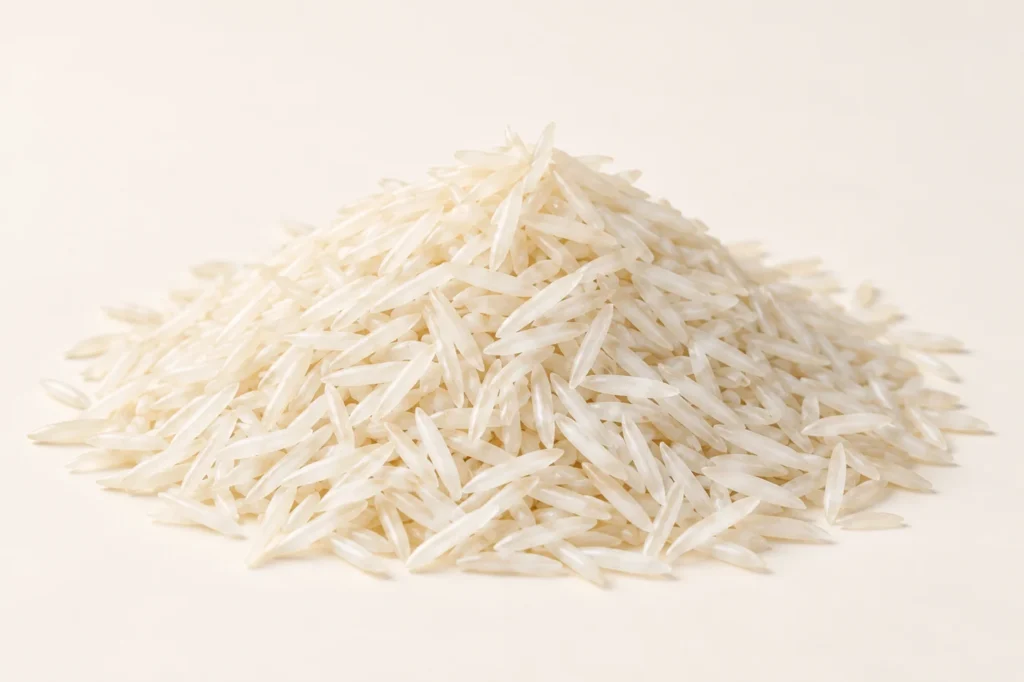
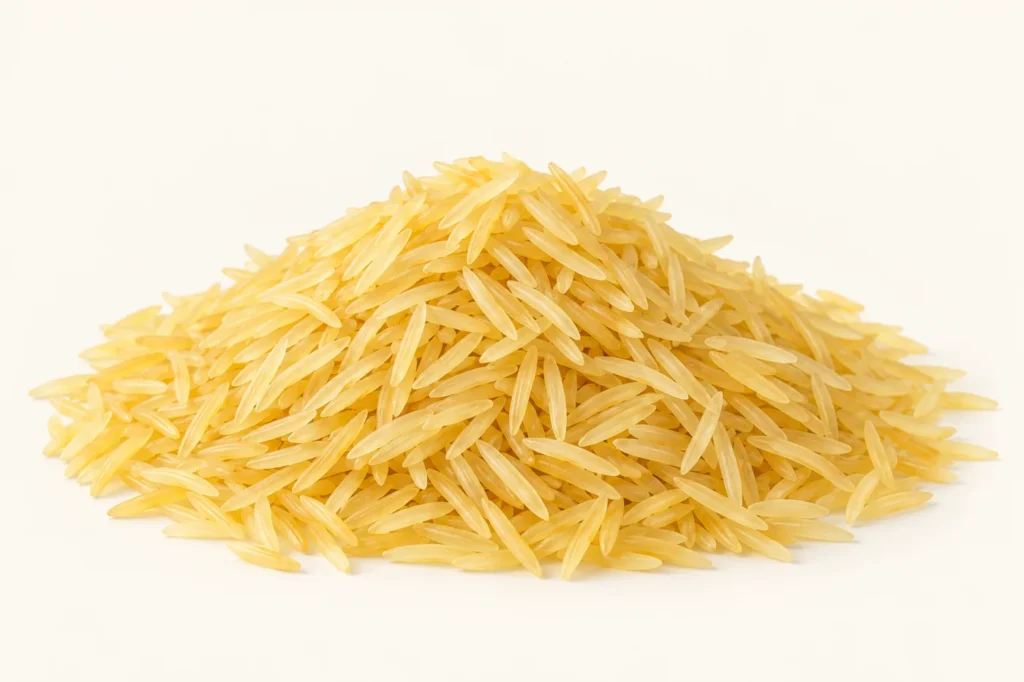
1121 Basmati is recognised for its extra-long, slender grain, basmati aroma and impressive cooked presentation. Its visual length and separation make it a practical choice for retail shelves, foodservice operations and rice distribution businesses.
The final cooking character depends on the selected processing method, grain condition and preparation. Nankana Rice discusses these factors with buyers before confirming the order.


Rice specifications can vary by processing method, buyer preference and destination market. Instead of applying one description to every shipment, Nankana Rice aligns the order around the buyer’s stated requirements.
| Specification | Available Information |
|---|---|
| Variety | 1121 Basmati |
| Country of Origin | Pakistan |
| Grain Profile | Extra-long and slender |
| Processing Forms | White, Steam and Sella |
| Quality Criteria | Grain length, purity, moisture, broken ratio and admixture discussed before confirmation |
| Order Quantity | No minimum order |
| Packaging | Bulk bags, retail packs and private label |
| Market | Wholesale, retail, foodservice and export |
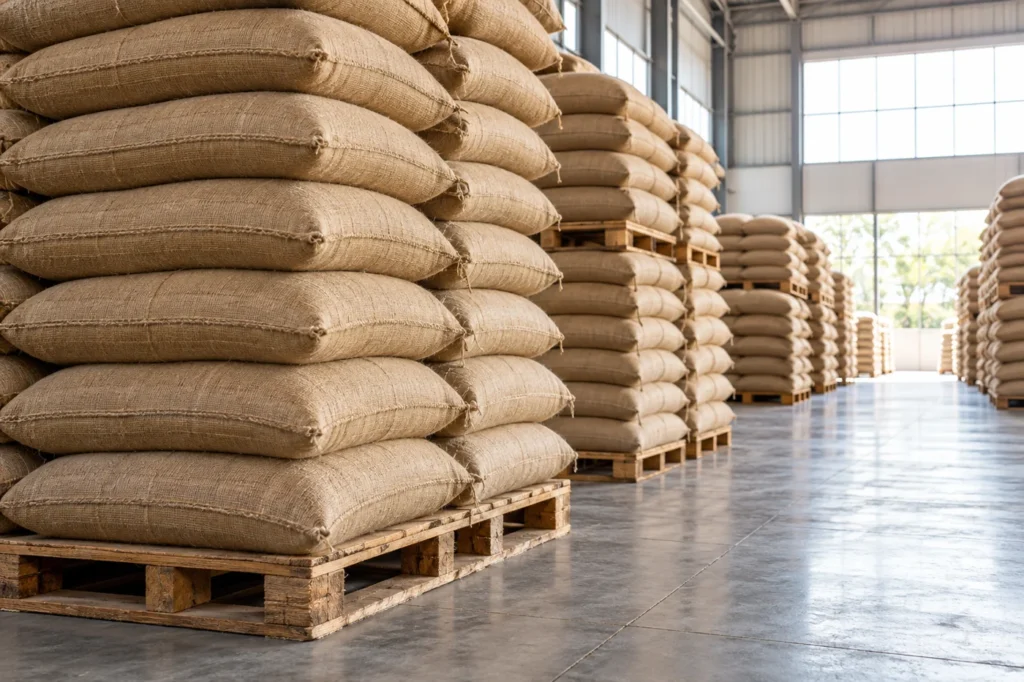
Nankana Rice supports 1121 basmati rice wholesale requirements for:
Small and bulk enquiries are welcome. Commercial terms are prepared according to the actual order rather than a fixed minimum quantity.
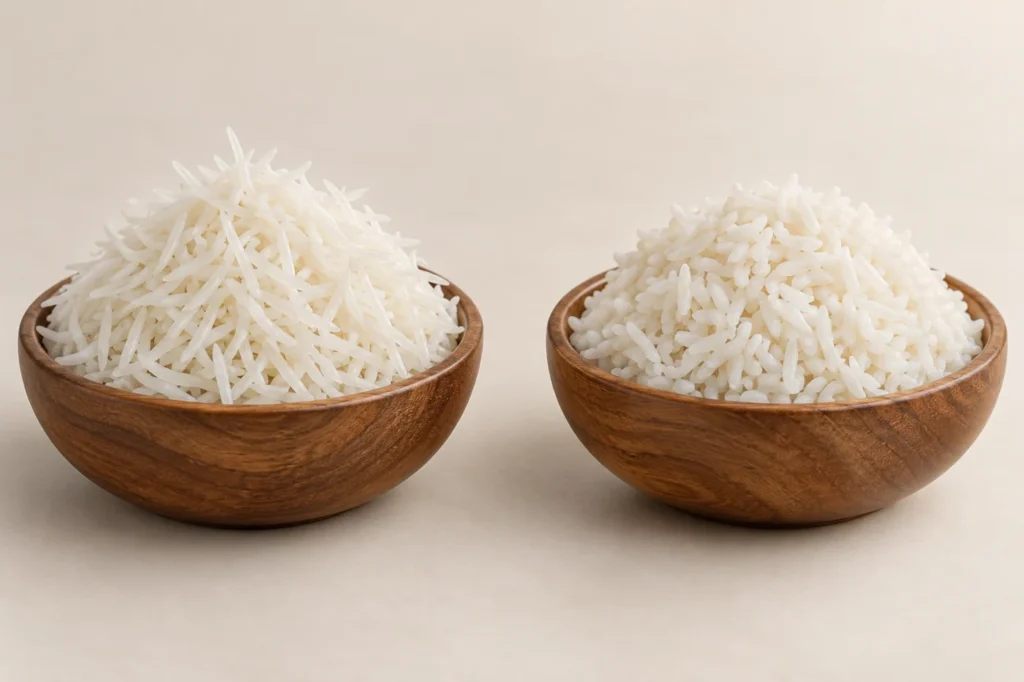
Nankana Rice works with overseas businesses sourcing Pakistani rice for import, distribution, retail and foodservice. Each export enquiry begins with the product form, commercial specification, required quantity, packaging and destination.
Buyers comparing an 1121 basmati rice exporter Pakistan can assess Nankana Rice against the needs of the actual order instead of relying on broad quality statements.
Provide the rice form, quantity and intended market.
Select White, Steam or Sella 1121 Basmati rice.
Include any required grain, purity, moisture or broken-rice criteria.
Choose bulk, retail or private-label packing.
Share the country, city or destination port for an informed quotation.
Providing clear buying information makes product selection and pricing more accurate. A useful enquiry should include:
If every detail has not yet been decided, share the available information and discuss the remaining choices with Nankana Rice.

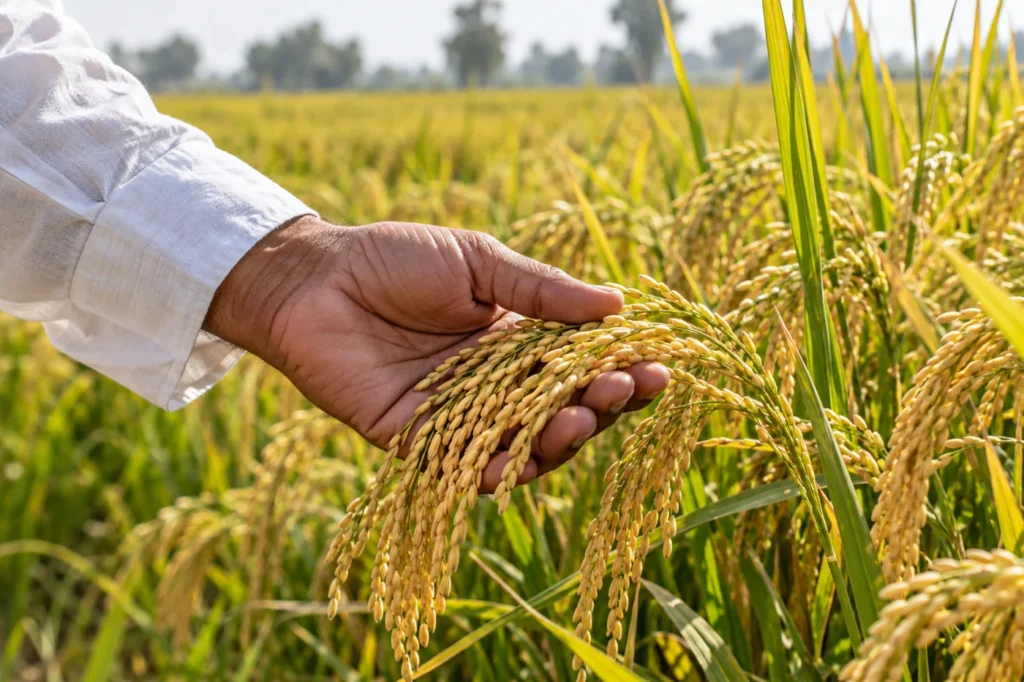
1121 Basmati is an extra-long-grain aromatic rice selected for its slender appearance and elongation during cooking. It is available in different processed forms for retail, wholesale and foodservice markets.
White rice has a traditional milled basmati appearance. Steam processing supports grain strength and separation, while Sella rice is parboiled for a firmer texture and shape retention. The suitable choice depends on the intended market and cooking application.
No. Nankana Rice has no fixed minimum order quantity. Small and bulk orders are welcome, although pricing, packaging and transport arrangements depend on the order details and destination.
Yes. Buyers can discuss bulk bags, retail packs and private-label packaging. Pack sizes, materials, labelling and branding requirements are confirmed before the order proceeds.
Share the required processing method, quantity, quality criteria, packaging and destination. These details allow Nankana Rice to prepare a quotation around the actual buying requirement.
Buyers can also explore Super Basmati Rice and 1509 Basmati Rice or review the complete Pakistani rice selection before choosing a product.
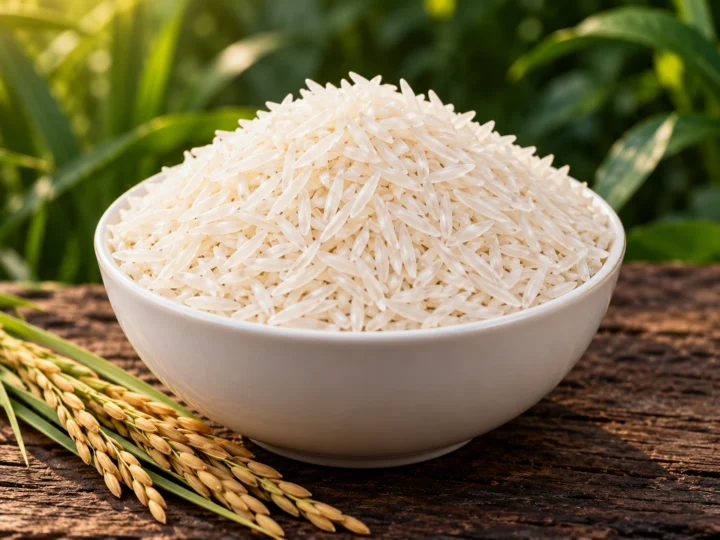
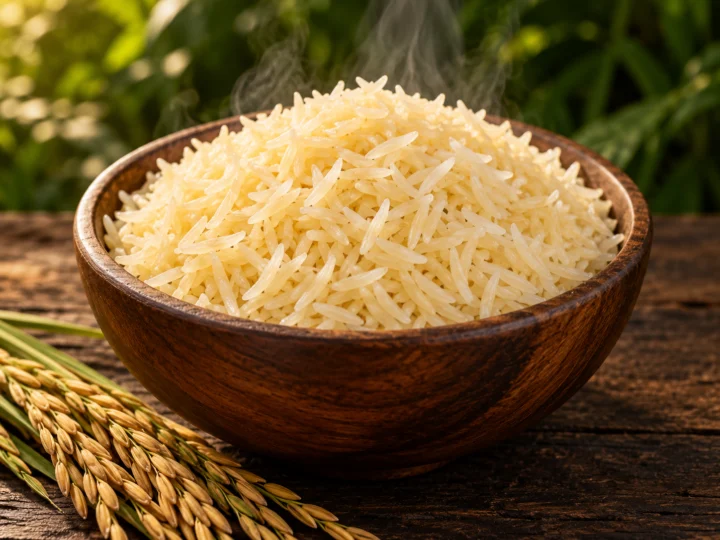
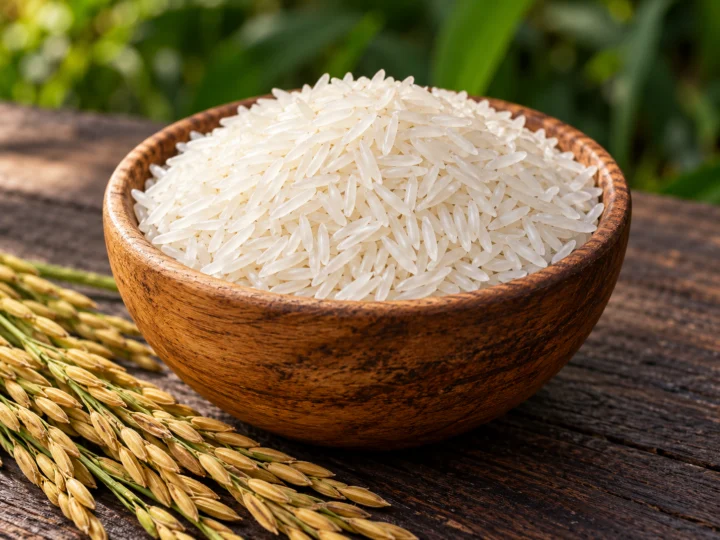
Extra-long grains with impressive elongation & elegant plate presentation.
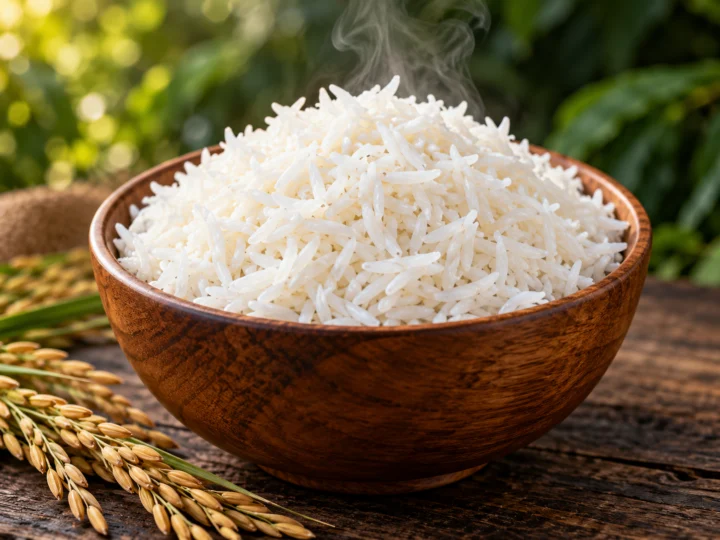
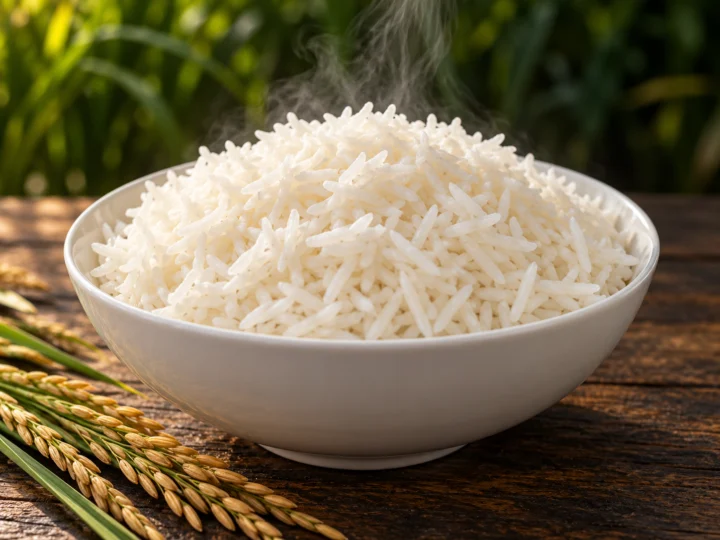
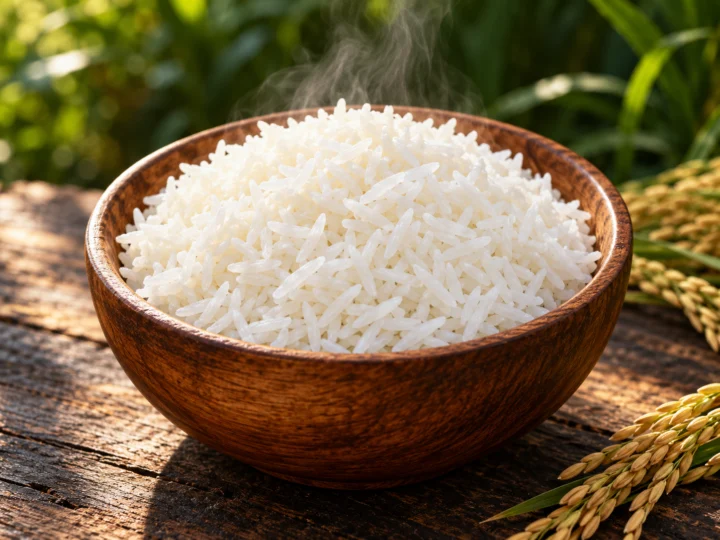
Traditional basmati aroma with dependable texture for everyday meals.
Buying 1121 Basmati involves more than choosing an extra-long aromatic rice. The same variety may be offered under different processing forms, crop years, commercial grades, and market descriptions. These differences can influence appearance, cooking behaviour, price, packaging, and suitability for the intended customer.
A clear buying specification gives an 1121 basmati rice supplier a defined product to review. It also allows the buyer to compare quotations using the same commercial basis rather than comparing several products that share only the 1121 name.
PK-1121, PS-2, and Kainat may appear together in Pakistani crop reporting and commercial conversations. Buyers may therefore encounter names such as 1121 Basmati, 1121 Kainat, PK-1121, or PS-2 when discussing the product.
The name used by a buyer should be confirmed before pricing. A market reference does not replace the complete product specification. Two suppliers may use similar terminology while proposing different crop years, processing forms, broken percentages, moisture levels, grain conditions, or packaging.
An enquiry should state the name recognised in the destination market, followed by the required processing and commercial criteria. This reduces confusion when several terms are used for the same general product reference.
For example, a request for “1121 Kainat Steam Rice” is clearer than a request for “Kainat Rice.” Adding the crop requirement, broken percentage, moisture target, packaging, quantity, and destination creates a stronger basis for quotation.
White, Steam, and Sella 1121 are not interchangeable products. Each form can occupy a different position within retail, foodservice, wholesale, or export markets.
The decision should begin with the expected result rather than the processing name alone.
White 1121 may suit buyers seeking a familiar milled basmati appearance and a product aligned with household, retail, or foodservice demand.
Questions to consider:
An 1121 white rice supplier can respond more accurately when these requirements accompany the enquiry.
Steam 1121 may be considered where buyers prioritise a defined grain appearance, separation, and commercial cooking performance.
Useful questions include:
Businesses approaching an 1121 steam rice supplier should explain the application instead of relying on the word “steam” as the complete specification.
Sella 1121 is selected by markets that prefer parboiled basmati and a firmer cooked grain. It may be considered for foodservice, catering, distribution, and retail channels where that processing form is familiar.
The enquiry should clarify whether the buyer requires a specific colour appearance, crop year, grain condition, or cooking result. Golden and other market descriptions should be confirmed rather than assumed.
An 1121 sella rice supplier needs these details to identify the relevant available product.
A complete specification turns a general variety request into a product that can be discussed, quoted, and reviewed.
The crop year identifies when the rice was harvested. Buyers should state whether a particular year is required or whether available crop options may be considered.
Crop year and ageing are related subjects, but they should not be treated as identical. If aged rice is required, specify the expected ageing period and request confirmation of available stock. Avoid assuming that every older crop has the same cooking character.
1121 is associated with an extra-long, slender grain profile. However, a general variety description does not define the precise commercial grade being offered.
If uncooked grain length, cooked elongation, uniformity, or presentation is important, include the required criteria in the enquiry. Measurements should be agreed rather than replaced with words such as “extra-long” or “premium.”
Varietal purity concerns how closely the rice matches the agreed variety. Buyers requiring a particular purity level should state it as part of the product specification.
The word “pure” should not be accepted as a complete measurement. A numerical requirement or agreed testing basis gives the buyer and supplier a clearer standard.
Moisture affects storage, handling, and commercial acceptance. The suitable requirement may depend on the buyer, destination, storage plan, and applicable market conditions.
Include the preferred moisture limit when requesting pricing. If the buyer does not yet have one, it should be discussed before the order is confirmed.
The allowed broken-rice percentage can influence grain presentation, intended use, and price. Retail products and presentation-focused foodservice applications may require a different limit from value-oriented or processing uses.
State the maximum acceptable broken percentage instead of asking generally for “whole grain rice.”
Admixture, foreign matter, and grains outside the agreed profile may be subject to buyer limits. Each term should be defined clearly within the commercial specification.
Broad wording can produce different interpretations. Written parameters provide a more reliable basis for product confirmation.
The required milling level, polished appearance, and colour may vary between White, Steam, and Sella products. Retail buyers may place particular importance on visual consistency, while foodservice buyers may focus more heavily on the cooked result.
Describe the required appearance where it matters to the market. Avoid using “best colour” or “perfect polish,” since these phrases do not define a measurable product.
The uncooked grain is the first thing many buyers notice, but commercial suitability becomes clearer after cooking.
A useful assessment may consider:
Cooking conditions must also be considered. Washing, soaking, water ratio, equipment, batch size, and cooking time may affect the result. A representative evaluation should follow a method close to the buyer’s actual kitchen or production environment.
Retailers may place greater weight on uncooked appearance because customers see the grain before cooking. Restaurants and caterers usually need to consider both visual presentation and performance during preparation. Wholesalers and importers may need a balance that serves several customer groups.
The same 1121 product should not automatically be proposed for every route to market.
Retail buyers need a clear product position. The rice may be presented around aromatic basmati, extra-long grain appearance, a particular processing form, or a defined price category.
The selected rice, pack size, branding, and product description should support the same market position. A premium-looking pack cannot correct a product that does not match customer expectations.
Foodservice buyers should discuss the menu, cooking volume, preparation method, serving style, and holding requirements. A product suitable for an individual plated dish may not be evaluated in the same way as rice prepared for a large catering event.
An 1121 basmati rice wholesale order may serve retailers, restaurants, caterers, or smaller distributors. The selected specification should reflect the customers who will eventually purchase and use the rice.
Wholesalers carrying several 1121 forms should give each one a defined role. White, Steam, and Sella products should not be added as interchangeable stock without considering actual customer demand.
Private-label buyers are responsible for the promise made on their packaging. The product name, processing description, origin, net weight, and any commercial statements should match what is being supplied.
Rice selection and packaging development should therefore be discussed together, even when the physical pack is finalised later.
Export buyers should confirm the product description recognised in the destination market. The agreed rice name, processing form, specifications, packaging, delivery terms, and required documents should be reviewed before the commercial offer is accepted.
A lower 1121 price does not automatically represent better purchasing value. The quotations may differ in crop year, processing, purity, broken percentage, moisture, appearance, pack format, order quantity, or delivery basis.
Before comparing suppliers, place the following details side by side:
A quotation that includes printed retail packaging should not be compared directly with standard bulk packing. An export quotation based on one delivery term may also differ from another using a different transport or destination basis.
Like-for-like comparisons make purchasing decisions clearer.
1121 Basmati has strong market recognition, but it is not automatically the right rice for every application.
A buyer may consider Super Basmati where traditional Pakistani basmati character is a greater priority. Another may evaluate 1509 Basmati for a different commercial position. Non-basmati rice may be more relevant where volume, regional preference, or production use matters more than premium basmati presentation.
The decision should be based on:
Nankana Rice can discuss 1121 alongside other available varieties when the buyer has not yet made a final selection.
A focused enquiry should contain enough detail to identify the required commercial product.
Include:
If some details remain undecided, explain the intended market and the result the rice needs to achieve. Nankana Rice can then discuss the choices that still require confirmation.
Share your preferred 1121 variety, processing form, grain specifications, packaging requirements, and destination with Nankana Rice. Our team can discuss the available options and help establish a clear commercial specification for your enquiry.